
Is Malta worth visiting? This is exactly what I’m going to answer in this post.
While I did have a good trip, I’m not here to sugarcoat reality because not everything is perfect about this island country, so I’m also sharing the things that bothered me and might be a deal breaker for you.
I hope this information helps you decide if Malta is your next Mediterranean destination or not.
*I try to keep the information on this blog as updated as possible, but I still recommend consulting the latest prices, opening hours, and other details on the official website of each site, hotel, and tour, as well as checking the updated public transport routes and timetables. I share my personal experience and cannot guarantee yours.
*This post may contain affiliate links from which I earn a commission. As an Amazon Associate, I earn from qualifying purchases. For more info, read my disclosure and disclaimer. This post may show pop-ups.
Is Malta Worth Visiting? All the Things to Love About It
Weather
Due to its Mediterranean climate, Malta is mostly known as a summer destination, but if you want to avoid the heat of July and August or the high season prices, yet still enjoy warm weather, you can visit Malta in spring and fall, even if there’s a chance for a few rainy days.
For reference, May offers average temperatures of 24°C (75°F) by day and 16°C (60° F) by night with sea temperatures of 18°C-19°C (64°F-66°F), while October boasts average temperatures of 20°C-24°C (68°F–75°F) by day and 17°C (63° F) by night with sea temperatures of 23°C-24°C (73°F-75°F).
If you’re looking for an alternative winter/christmas destination in Europe where you won’t completely freeze, the average temperatures in December in Malta during the daytime are 16°C-18°C (61°F-64.5°F).
That said, you should always check the predicted forecast before booking your trip, even if it may change.
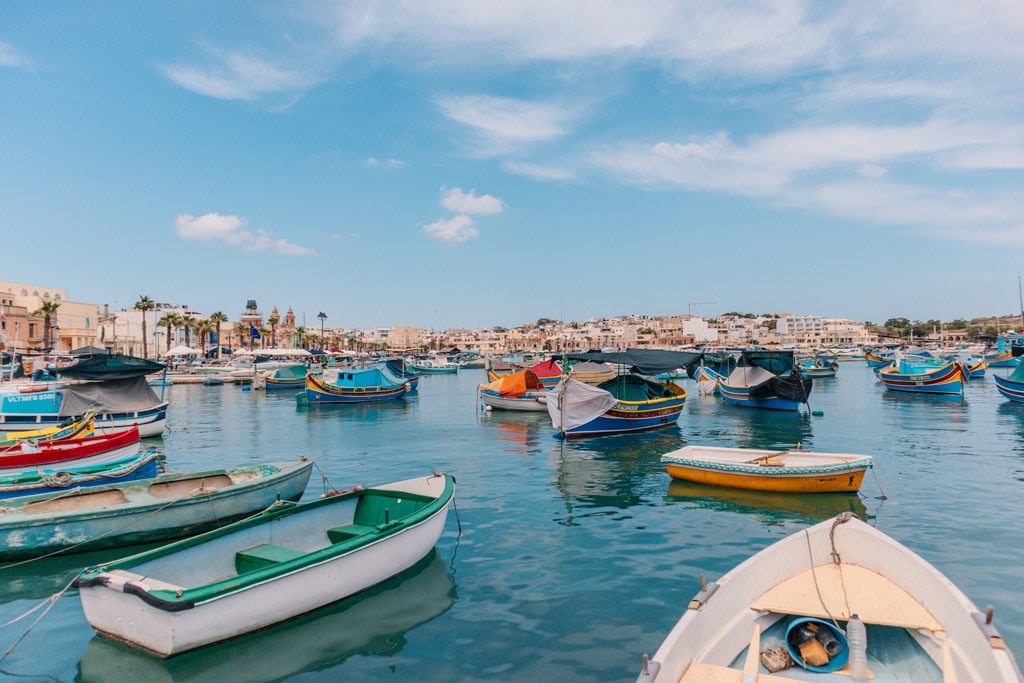
Thousands of Years of History
Although Malta only got its independence in 1964, its history dates back to around 5900 BC. It was ruled by the Greeks, Romans, Arabs, Knights Hospitaller, and Brits, to name a few.
Each of them has had some kind of influence that is still very much present, so imagine what it feels like to explore an island with so much history behind it.
Don’t worry, I’m just about to dive a little deeper into what exactly you can expect.
Intriguing Mix of Cultural Influences
Apart from having countless rulers, the country is also located right between northern Africa and Sicily.
Bring all of these cultures together, and this is what you get: Maltese sounds like a combination of Italian and Arabic, the cities look Middle Eastern, and the churches and cathedrals look Greek and Roman.
Plus, they drive on the left side of the road, and you’ll see British red phone booths scattered around (mostly in the capital, Valletta).
That’s what I think makes Malta extra special. If that’s not enough to intrigue you and make you want to explore this island, I hope the following few things I love about Malta will.
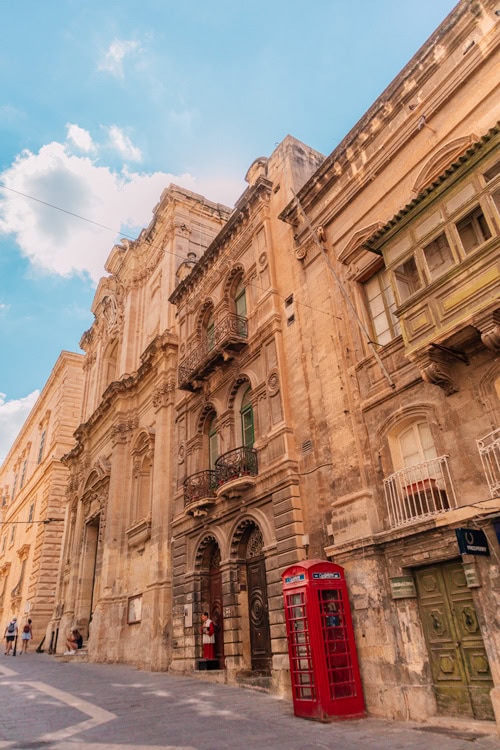
Cities That Will Make You Feel Like Stepping Back in Time
One of the biggest reasons to visit Malta is its most famous cities, which are like big open-air history museums.
The capital city, Valletta, was founded by the Knights of St John (Knights Hospitaller) in the 16th century. Many of the buildings they’ve built are still standing today, granting it the title of a UNESCO World Heritage Site.
Some of the best things to do in Valletta include seeing the city’s landmarks (like St John’s Co-Cathedral, Barrakka Gardens, and the remains of the Royal Opera House) and wandering through its charming streets adorned with colorful Maltese balconies.
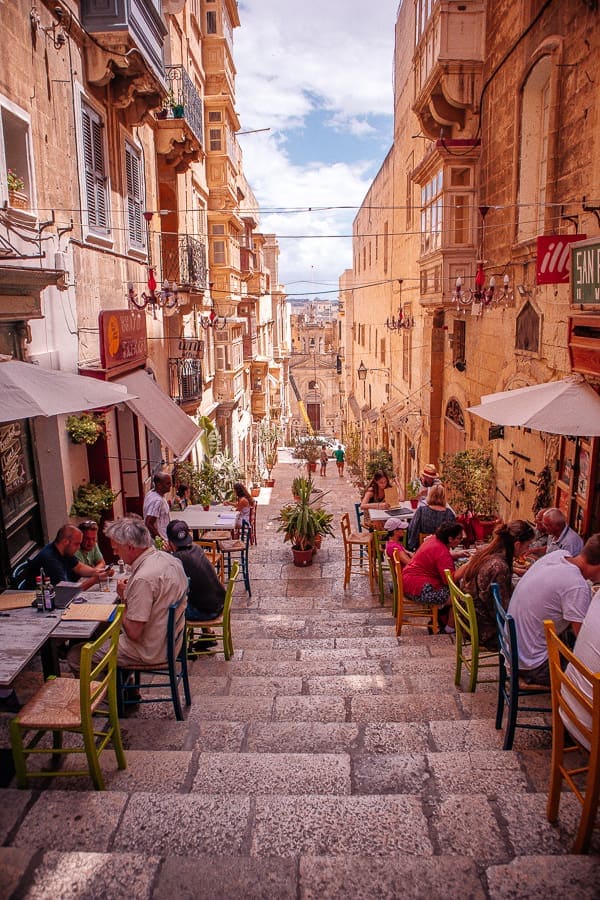
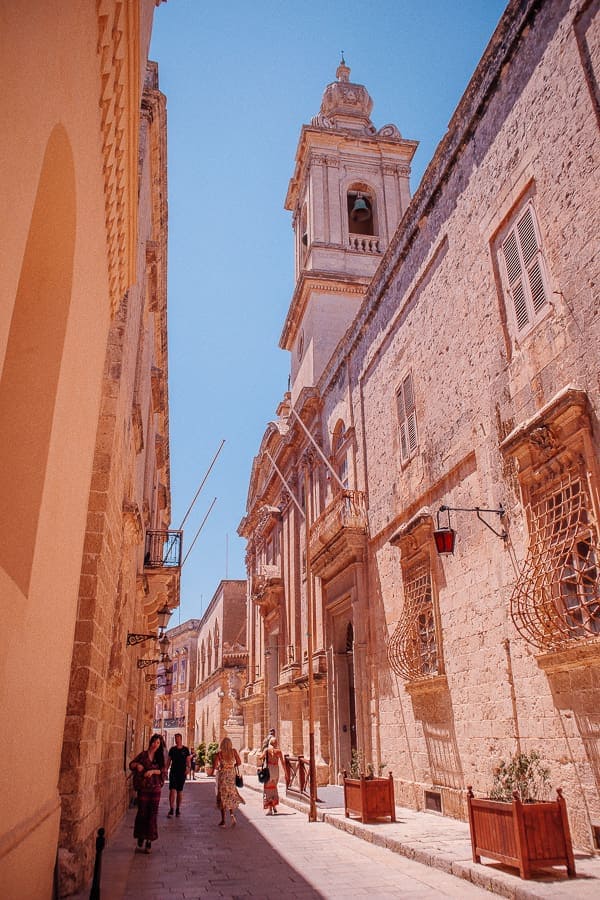
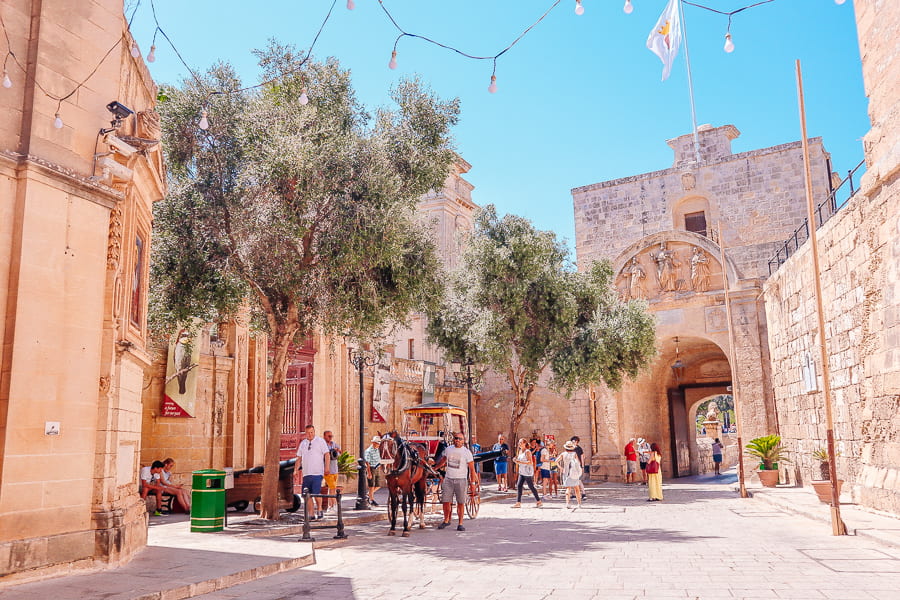
Mdina, a fortified hilltop city (and former capital of Malta) with origins dating back thousands of years ago, will make you feel like stepping into another world.
The city that you see today was built in the Middle Ages, and its medieval atmosphere is irresistibly enchanting.
Being home to less than 300 inhabitants and only allowing residents with a special permit to enter the Mdina with a car, you can enjoy its atmosphere while you roam the narrow streets and alleys that look like they belong in another era.
That said, Mdina has become very popular, so get here early in the morning or wait for the day trippers to go back to where they’re staying and spend the evening and night here.
Other notable historic cities are the Three Cities (Vittoriosa, Senglea, and Cospicua) and Mosta.
The Landmarks
Is Malta a good place to visit if you love sightseeing? Yes!
As I’ve mentioned, Malta is steeped in history, so the landmarks you can visit are pretty incredible. Here are a few noteworthy spots:
- St John’s Co-Cathedral in Valletta: Built by the Order of St. John in the 16th century.
- The Grandmaster’s Palace in Valletta: The palace of the Grand Master of the Knights of St. John.
- Fort St. Angelo in Birgu: Built in the 13th-16th centuries.
- Rotunda of Mosta: A 17th-century cathedral based on the Pantheon in Rome that survived a German aerial bomb attack during WWII.
- St. Paul’s Catacombs in Rabat: A large complex of underground Roman tombs.
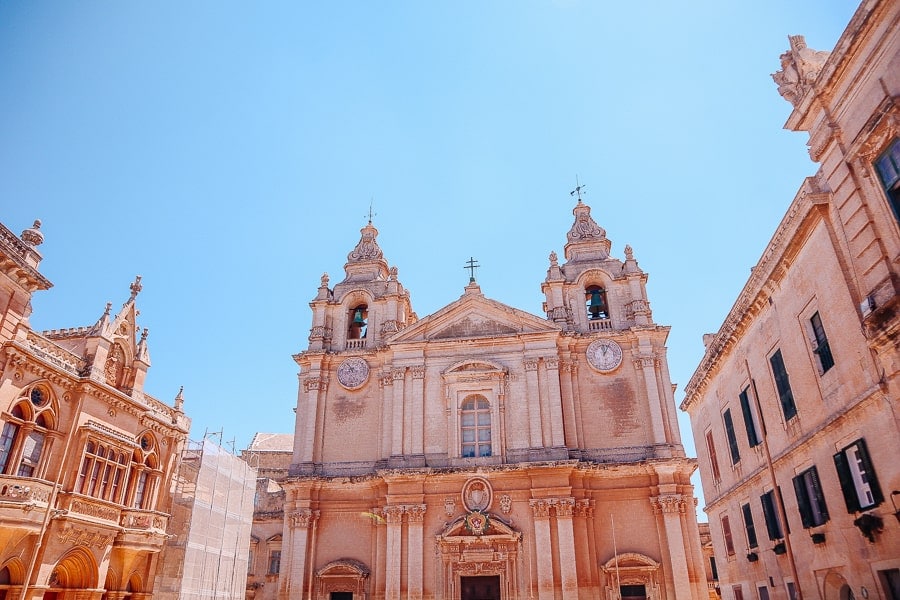
- Mdina Cathedral: Dating back to the 17th century.
- Ħaġar Qim: A prehistoric complex of temples.
Some of the Oldest Manmade Structures in the World
I’m in awe when I see monuments that have been standing for centuries, so visiting places that have existed for thousands of years is even more mind-blowing to me.
From the UNESCO-listed Hypogeum of Ħal Saflieni (a prehistoric underground temple) and Megalithic Temples (some are more than 5500 years old) to prehistoric tombs, Malta keeps getting more and more interesting.
Fun fact: This is why some legends in Europe suggest that Malta is the lost city of Atlantis.
Beaches, Natural Pools, and Lagoons
Mediterranean islands kind of have to have dreamy beaches with beautiful blue water, right? Well, in Malta, it’s not just about that.
Beyond sandy beaches like Ghajn Tuffieha (Riviera Bay), Paradise Bay, and Għadira Bay, you’ll find natural pools like St. Peter’s Pool and Għar Lapsi.
Note: From the parking lot/bus station, there are a lot of stairs to get to Riviera Bay.
Important to know: Many of Malta’s beaches are rocky and that’s not always ideal, so if you’re planning a beach vacation and that can be an issue, choose wisely where to base yourself. Here are the best areas to stay in Malta, including each location’s pros and cons.

Also, don’t forget about Malta’s famous lagoons.
Malta has two other islands, Gozo and Comino. The latter is an uninhabited island mostly known for the paradise-like Blue Lagoon and Crystal Lagoon (note that they can get crowded during the high season), which you can visit with a boat excursion or by ferry.
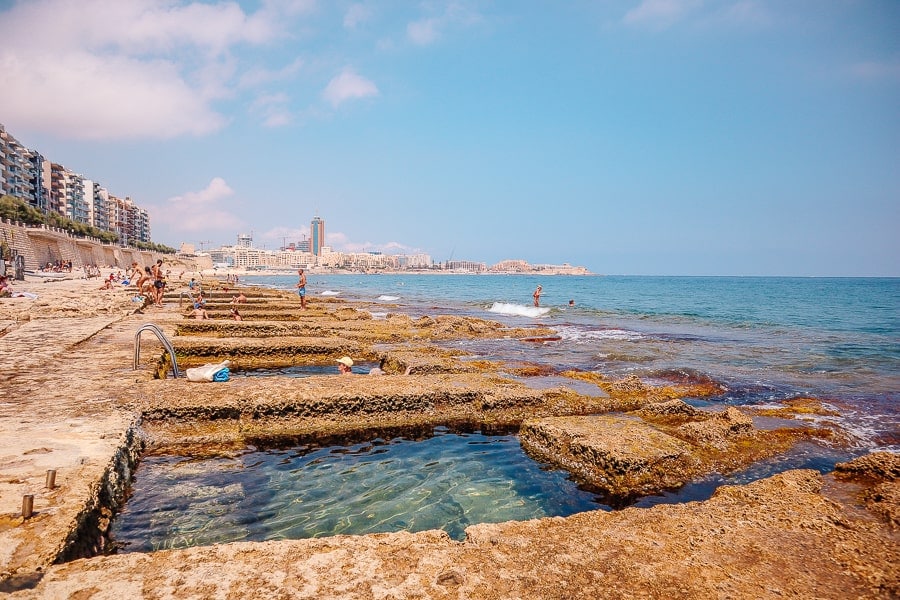
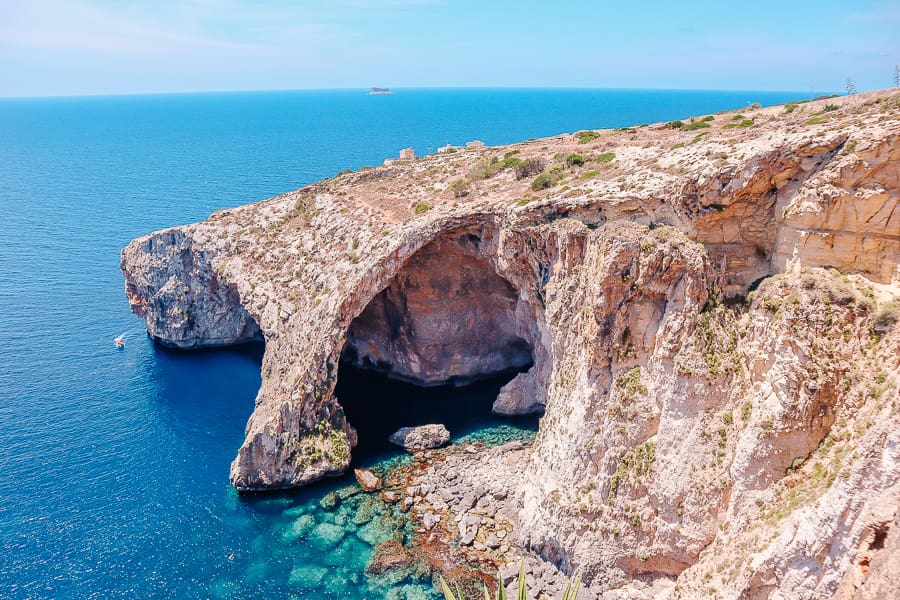
There are also lots of other spots where you can get in the water like the Roman baths in Sliema (which I loved) and the area near the gorgeous Blue Grotto (a stunning cave complex where you can take a lovely boat tour) where there are some pool ladders in the sea.
You Can Visit 3 Islands in One Trip
Speaking of Gozo and Comino, both located only a short ferry ride from the northwestern coast of Malta’s main island, they can be a great addition to your trip.
As I’ve mentioned, the uninhabited Comino is famous for its lagoons, but in Gozo, you can spend a day or two. One of its most famous sights was the Azure Window, a natural rocky arch that collapsed in 2017, but there’s much more to do and see here.
You can visit the historic city of Victoria with its impressive citadel, unwind at Ramla Bay, visit Gozo’s salt pans, dive at the Blue Hole, and that’s just the tip of the iceberg.

The Food
If you’re wondering what Malta is like in terms of food, I’m happy to say that you won’t be disappointed (as long you avoid tourist traps).
Thanks to the southern Italian cultural influence, you’ll find plenty of pasta dishes in Maltese cuisine, as well as arancini (fried rice balls coated with breadcrumbs), soups, and even cannoli.
Malta is a Mediterranean island, so you can also enjoy fresh fish and seafood, though I have to say that my favorite thing to eat in Malta was pastizzi.
I’m pretty sure that these phyllo-like pastries filled with ricotta or peas are what paradise tastes like, and the fact that they are a street food that costs only a few euros is a huge bonus.
Unique Attractions
With all due respect to Malta’s beaches, ancient temples, and historic cities, you’ll be surprised by a few of the island’s attractions.
These include the Popeye Village (a purpose-built film set village turned into a theme park), The Malta Classic Car Collection Museum, San Anton Gardens, Dingli Cliffs, and Gozo’s salt pans, amongst other unexpected spots.
It’s also a great destination for wine lovers, and it has many more surprises up its sleeve.
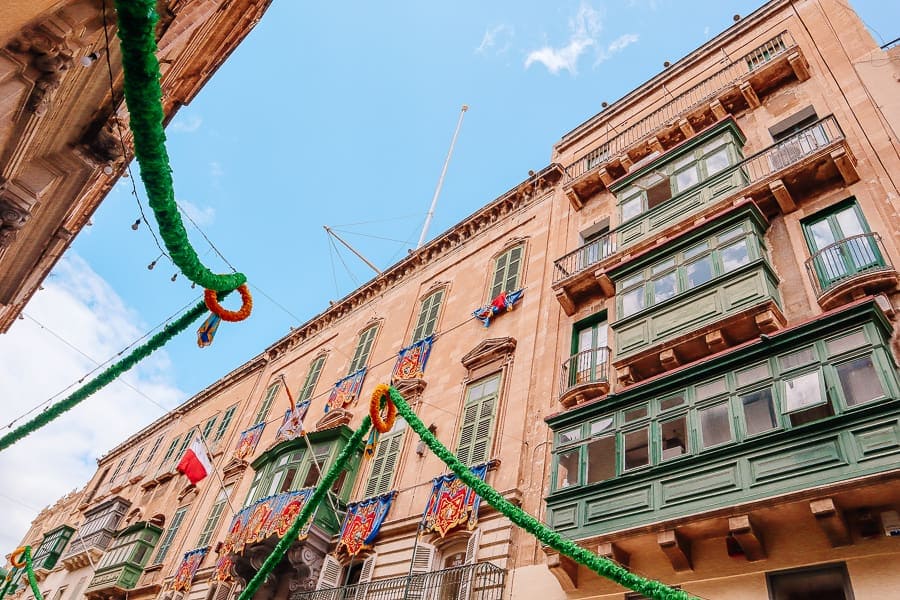
Festas
I love local festivals. I love seeing what and how other cultures celebrate, so I was glad to come across some festas in Malta.
There are more than 350 churches on this small island, and each one is dedicated to a different saint.
Each saint gets its own celebration (called festa), so these festivals take place throughout the year across the island (many take place in summer). They include decorated streets, fireworks, band marches, and much more.
Friendly Locals
I don’t know about you, but to me, the locals’ friendliness and hospitality are other factors that can make the difference between a good trip and a great trip. That’s why I was so happy to encounter kind and helpful locals in Malta.
All Kinds of Groups of Travelers Will Enjoy Malta
Since it offers a mix of history, culture, and beaches (amongst other things), Malta can be a great place to visit as a family, as a couple, or even as a group of friends, especially if you’re looking for a unique European girls’ trip destination.
English Is an Official Language
One of the results of Malta being ruled by the Brits for 150 years is having English as the second official language of the island.
I know many people can manage communication issues when traveling to a destination where the locals don’t speak English, but it’s definitely a bonus if they do.
Reasons Why You Might Not Like Malta
Getting Around
It doesn’t have to be a deal-breaker, but I wish Malta was a bit easier to get around. So what are your options?
You can get around by car, but that’s an extra expense, and you also have to think about parking when planning your trip, which is not always easy to find here.
Plus, they drive on the left side of the road (which understandably can be an issue for some people), and after reading a few tips, I also wasn’t keen on driving alongside Maltese drivers.
You can also get around by bus, which is budget-friendly, but there aren’t enough buses for the number of people who use them, so there’s a chance the bus will be full, and you’ll have to wait for the next one (that also happened to me).
Also, not all of Malta’s top points of interest are directly connected by public transport, which means you have to switch buses.
Unfortunately, a 15-minute journey by car can take you an hour and a half by bus. That said, basing yourself in Valletta or Sliema will make it easier to take day trips by bus.
My solution: I used both buses and taxis, which was pretty convenient and still budget-friendly. I tried to plan my Malta itinerary as efficiently as possible in that aspect, but when getting from one point to another by bus got too annoying, I took a taxi to save time and energy. You can also use Uber or Malta’s eCabs app.
Traffic
Another thing that can make your journey across Malta slightly more frustrating is the traffic. Again, it’s not a deal-breaker, but it’s something you should know and consider when planning your daily itinerary, whether you decide to rent a car or not.
Not Every Corner Is Pretty
I think it’s important to have the right expectations, so know that most of the cities and villages you’re going to visit also have their non-photogenic areas, with neglected buildings and a gloomy atmosphere.
It’s Getting More and More Popular
Once considered a hidden gem, Malta is getting a lot more attention nowadays, which means more crowds, not only in the summer months.
Rocky Beaches
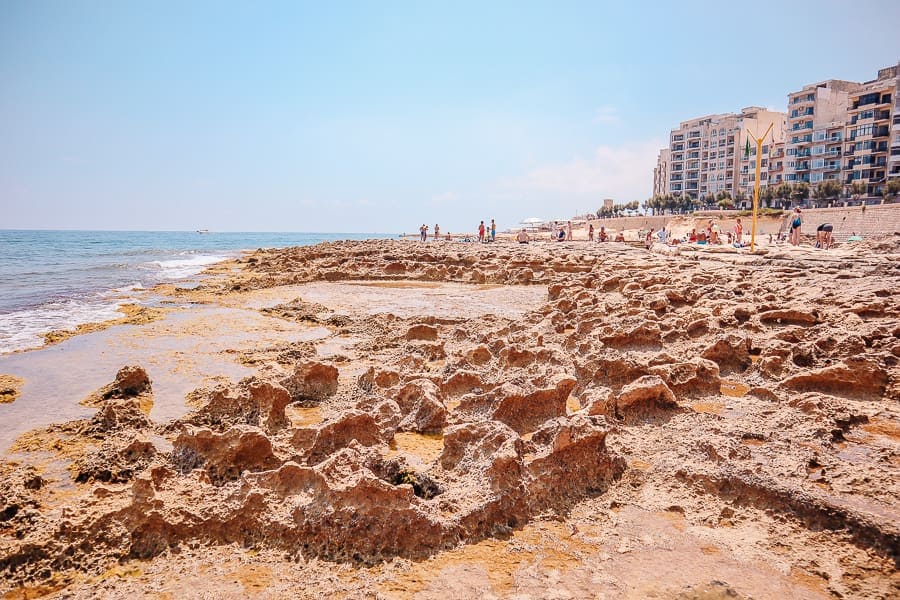
While Malta’s sandy beaches and natural pools are a pro on this list, its many rocky beaches are not suitable for everyone, so if you’re planning a summer trip where you can soak up the sun, it’s a big thing to consider.
You’ll have to choose the right town to stay and the right beaches to visit, or it might mean that Malta is just not for you, and that’s ok too.
Other Notes to Help You Decide if You Should Visit Malta
Prices
What’s Malta like in terms of prices and is it cheap or expensive?
Well, it really depends on when you’re traveling and what your personal travel preferences are, so the budget aspect is neither a pro nor a con.
Considering accommodation, food, transportation, and attractions (don’t worry, there are many free things to do and see in Malta), you could plan a trip on a relatively tight budget (even in summer) OR a 5-star luxury trip.
Is Malta Safe?
Malta is considered a very safe country (I personally felt safe, but I didn’t travel alone), even in the evenings, though I can see why some streets wouldn’t be pleasant to walk through at night.
I’m also always aware of pickpockets and follow basic safety rules, especially as a woman.
How Many Days to Spend in Malta
Wondering how many days you need in Malta? If you also want to visit the islands of Gozo and Comino, I’d say 5-7 days would be ideal, though you can easily spend more time in Malta, especially if you’re craving some relaxing beach time.

Is It Worth Visiting Malta? The Verdict
So do I think Malta is worth it? YES. I loved exploring this island and had a memorable trip, even if some things bothered me. I think its uniqueness was more prominent to me than its imperfect aspects.
Every destination has some inconveniences, but overall, I see Malta as a European country that needs to be on your bucket list.

Related Posts
Related posts:
- Where to stay in Malta without a car
- Malta travel tips
- Reasons to visit Turin
- Reasons to visit Warsaw
- Reasons to visit Poznan
- Reasons to visit Madrid
- Reasons to visit Kefalonia
- Is Colmar worth visiting
- Is Crete worth visiting
- Is northern Spain worth visiting
- Is Mallorca worth visiting
- Is Lecce worth visiting
- Is Martina Franca worth visiting
- Is Bari worth visiting
- Is Aosta worth visiting

Is Malta difficult for a mobility challenged person? I.e. are there a lot of staircases without railings, high curbs, uneven streets?
Overall, my answer would be yes more than no. It’s not 100% difficult, but there are more than enough rocky beaches, staircases (some with and others without railings), and even big & steep ascents where you don’t expect them, so it could be not the best choice for a mobility challenged person.
Hello,
Coming from the USA, which airport would one fly into to visit Malta?
Thank you!
Hey Leslie!
It’s called Malta International Airport. It’s located in Luqa, about 8-9 km from the capital Valletta.
Hi There– is Malta walking friendly? Is it possible/advisable to rent bikes?
Hey Rachel 🙂 Each city/town is quite small so you can get around on foot. And yes, you can rent bikes in Malta, but I haven’t tried it myself.
Very fair assessment of the pros and cons. Local here!
I would say that, if one wants to keep the frustrations of getting around by public transport to a minimum, one should stay in either Valletta, Sliema/Gzira area or the 3 Cities. Sliema/Gzira/St Julians area are also nice for savouring the more cosmopolitan aspect of the island. Both Valletta and the 3 Cities are easily a day’s worth of sightseeing, and both Sliema/Gzira and the 3 Cities are connected to Valletta by ferry. The ferry trips in themselves are an experience as Maltese harbours are beautiful. Ferry trips also help you avoid the traffic frustrations or being left stranded on a bus stop.
Then of course, if one wants to visit other tourist hotspots such as Marsaxlokk or Rabat/Mdina, catching a bus is inevitable. If you don’t have a car and want to go to Gozo, Gozo is nowadays also connected via a fast ferry.
Also – Bolt, Uber and ECabs can get you around fast for relatively cheap especially if you’re a small group of friends sharing the ride.
Unfortunately, I agree – timely and efficient transport connections are not guaranteed when travelling around but with some imagination they can also be overcome.
Thank you! I appreciate your perspective as a local. Of course, public transport should not be the reason to skip out on visiting Malta, but I do think people should take that into consideration. And I agree, Sliema and Valletta are definitely great bases to explore the island.